

Have you ever wondered how common the domestic violence cycle is? Here are some numbers:
One in four women are experiencing some form of domestic abuse.
On a larger scale, there are over 12 million individuals who have gone through domestic violence.
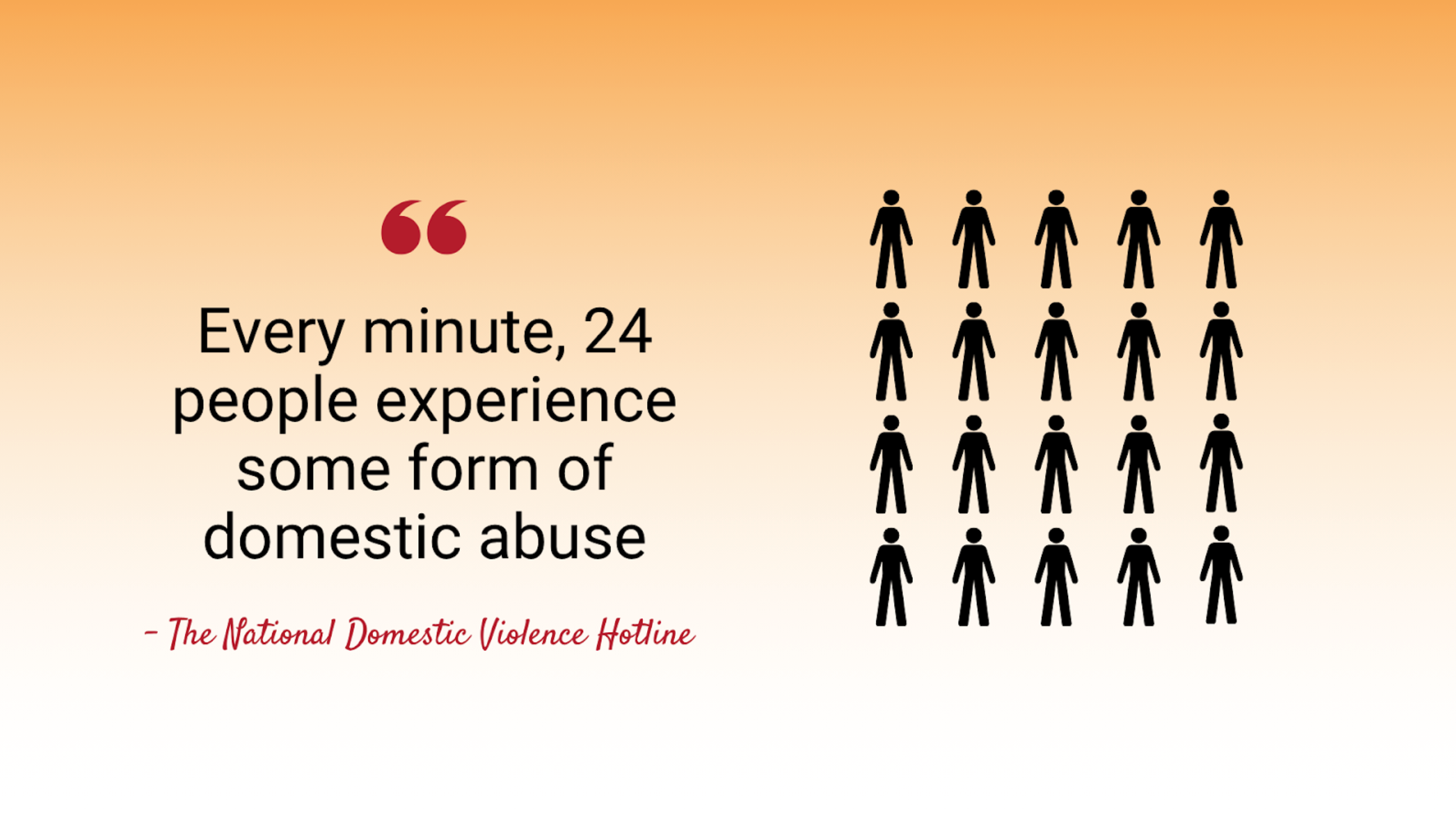
And every minute, around 24 people (mostly women) witness or live through abusive experiences in the home — and have yet to embark on their healing journeys.
With all these facts and figures, you’re likely wondering why domestic violence isn’t all over the news. The reason behind this is that it has a way of hiding itself.
In many cases, domestic abuse takes many forms, so cases aren’t always easy to recognize. What we do know is that all of these cases follow a cycle.
And the better we as individuals and communities understand the cycle, the more we’ll be able to help those living through abuse in their trauma healing.
What Is the Domestic Violence Cycle?
There are a lot of ways people describe how abuse happens — but one of the clearest, most widely recognized models comes from psychologist Lenore Walker.
She called it what many people feel but don’t always have words for: a cycle.
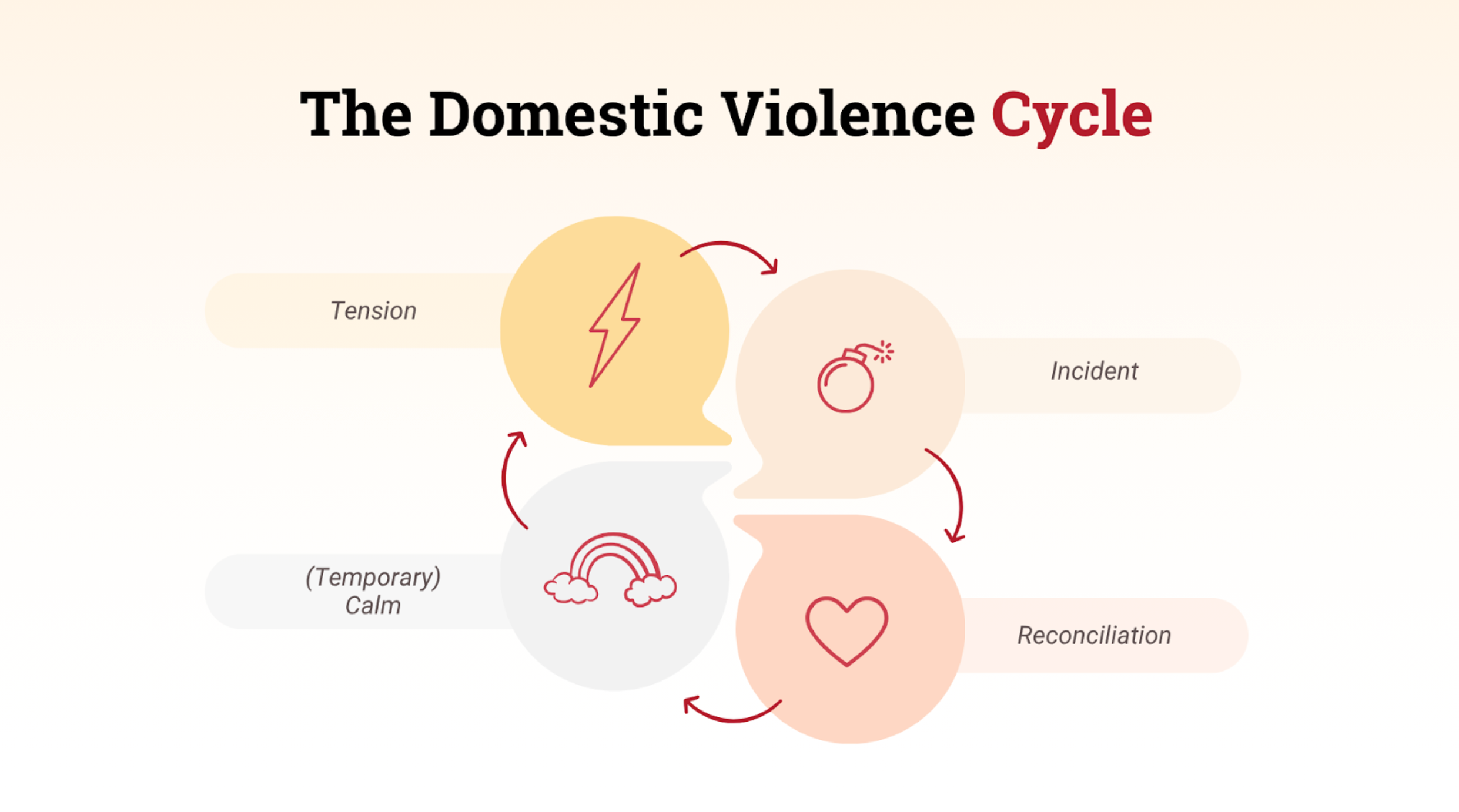
Domestic abuse often follows a repeating pattern — one that can be hard to recognize when you’re living inside of it. Whether or not someone realizes it’s happening, the rhythm is often the same:
- Tension-Building: Things start to feel tense. There’s criticism, pressure, maybe even fear — and the person on the receiving end is left walking on eggshells.
- Incident: What might seem like a simple disagreement turns into verbal, emotional, or even physical harm.
- Reconciliation: The person who caused harm apologizes, offers excuses, or shifts the blame (often with promises that it won’t happen again).
- (Temporary) Calm: Things settle down. For a moment, everything feels normal. But the fear never really leaves… because the cycle is quietly resetting.
And over time? The cycle doesn’t just repeat — it usually intensifies. The harm can show up in different ways: physical, sexual, emotional, spiritual, even financial. Abuse isn’t always visible. But the impact runs deep — especially when it’s happening behind closed doors, in a relationship that was supposed to feel safe.
Why It’s So Hard to Break Free
If you’ve never experienced abuse firsthand, it’s easy to ask the question:
“Why don’t they just leave?”
But for someone inside that relationship, the answer is rarely simple.
Many people experiencing abuse are caught in something called trauma bonding — a psychological pattern where harm and affection are mixed together in a way that creates confusion, dependence, and emotional grip.
One moment there’s yelling or threats. The next, there’s an apology, a tender moment, or even a gift. That intermittent kindness creates hope — the idea that “maybe this time, things will change.” But that kindness is often another layer of control.
And even when someone knows deep down that it’s not okay, leaving can feel impossible. Here’s why:
- Fear of retaliation or financial ruin — “If I leave, will I be safe? Will I lose everything?”
- Shame or isolation — “No one will believe me. I’ve already been cut off from friends and family.”
- Cultural or religious pressure — “What will my community think? Will I be judged for walking away?”
- Fear of losing children — “If I leave, will I lose custody? What happens to my kids?”
And sometimes, there’s just that quiet, aching hope: “Maybe they’ll change.”
But here’s the heartbreaking truth many people discover — especially those we walk with at Re-Fined: The person who uses control and abuse rarely changes. Not without deep accountability and their own healing journey.
And that’s why it’s so important we don’t ask, “Why didn’t they leave?”
Instead, we ask: “How can I help them feel safe enough to begin again?”
Recognizing the Cycle
Abuse doesn’t always leave bruises. Whether it’s domestic abuse or sexual exploitation, it often hides in plain sight — especially when the person experiencing it is doing everything they can just to get through the day.
But knowing what to look for can make all the difference. When we understand the signs, we’re better equipped to walk with someone through the most difficult parts of their healing journey.
You might notice things like:
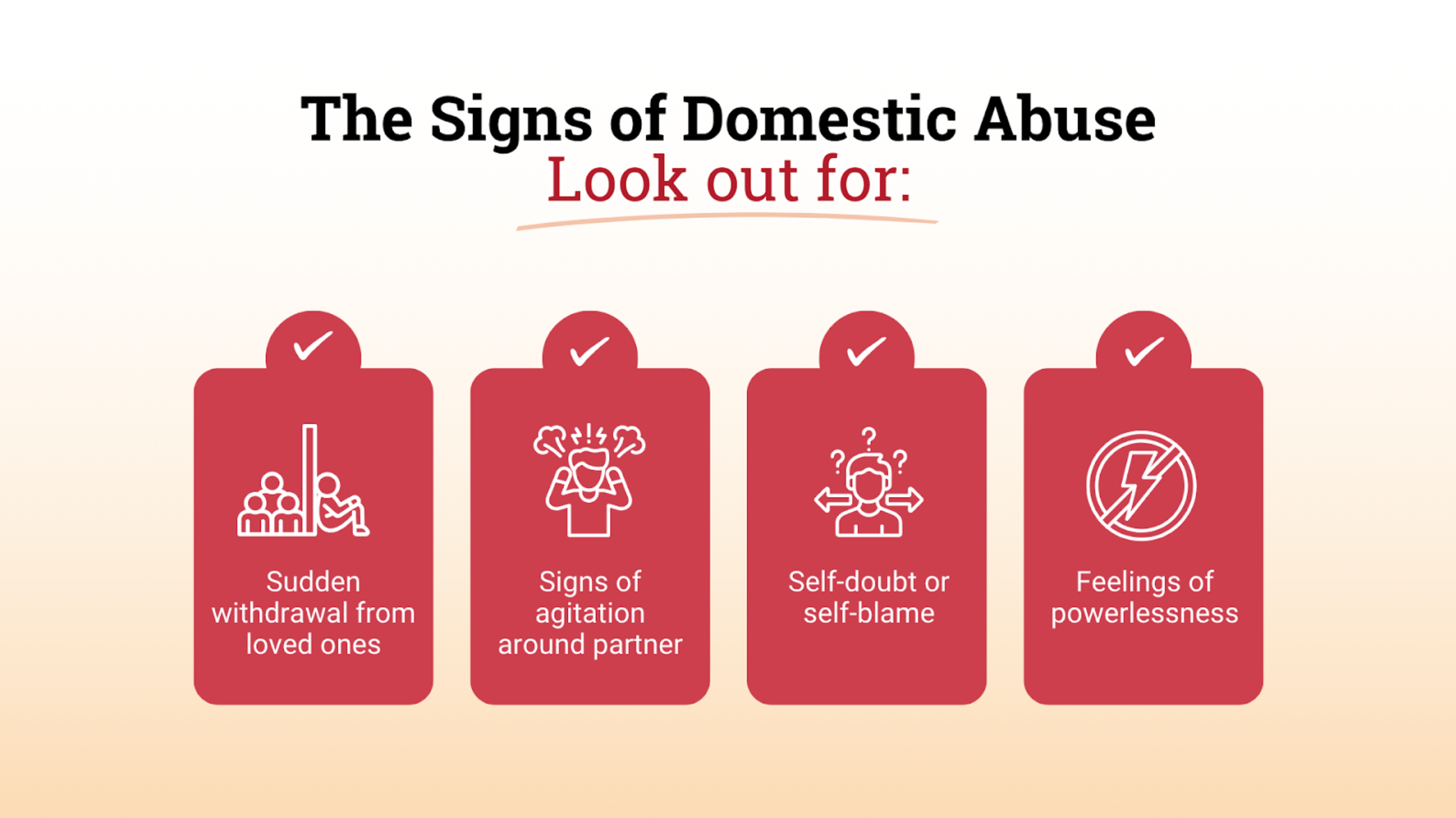
- Pulling away from friends, family, or community
- Looking anxious or over-accommodating around their partner
- A tense or distressed reaction while texting or answering calls
And emotionally, they may be:
- Questioning their own reality
- Blaming themselves for their partner’s behavior
- Feeling stuck, small, or powerless to change anything
If This Feels Familiar…
Whether you’re seeing this in someone you care about — or quietly recognizing it in yourself — we want you to hear this clearly:
You’re not alone. And it’s okay to ask for help, even if you’re not sure what comes next.
We’re here to listen, support, and walk with you.
Where Domestic Violence and Sexual Exploitation Overlap — and Where They Don’t
Domestic violence and sexual exploitation aren’t always the same — but they often walk hand in hand.
Both involve control, coercion, and harm within a relationship. And both can take place behind closed doors, hidden by shame, silence, or fear. In many cases, the same person using abuse in a domestic relationship may also be exploiting their partner sexually, even if it doesn’t meet the legal definition of trafficking.
Here’s how they often overlap:
- Both use manipulation, fear, and isolation to gain control.
- Both can involve emotional, financial, spiritual, and physical abuse.
- Both often occur in what looks like a “normal” relationship — one that feels familiar, even loving.
And here’s how they can differ:
- Domestic violence often centers on control over the person, including how they think, act, and live day-to-day.
- Sexual exploitation includes a transactional element, where someone is used or profited from sexually — through coercion, force, or manipulation.
- Not all individuals experiencing domestic abuse are being trafficked — but many who are trafficked experience domestic violence as part of that dynamic.
Understanding both matters, because the lines can blur. And the more clearly we see the whole picture, the better equipped we are to provide compassionate and informed support.
How Re-Fined Walks With Individuals Affected by Abuse
We’re not a shelter — and we don’t try to be everything to everyone. But at Re-Fined, we’ve become a trusted safe space for individuals who’ve walked through abuse, coercion, sexual exploitation, or sex trafficking.
Some come to us after leaving a harmful relationship. Others are still untangling what happened. No matter where someone is in their story, we show up with steady, trauma-informed care that meets them right where they are.
That care can look like:
- GAP Nights — creating consistent, safe spaces for connection, community, and care
- Faithful Friends — offering consistent, restorative relationships that gently rebuild trust
- Court Support — sitting with someone while they face their abuser in court
- Styling Services — helping them feel seen, strong, and confident again
- Continuing Care Community — building long-term, faith-rooted community that reminds each person they’re not alone
- And more
Everything we do is grounded in compassion, dignity, and faith — because we believe what Psalm 34:18 promises:
“The Lord is close to the brokenhearted and saves those who are crushed in spirit.”
Let’s Break the Cycle as a Community
There’s a lot we can do as a community to break the domestic violence cycle. All we need to do is believe in the stories of those who come to us, listen without judgment, and point them in the direction of those who can support them.
You can also do your part if you’re an individual reading this. Whether it’s hosting a Mission Briefing, attending our trainings on exploitation, sharing your blessings or our resources, you’re part of our calling to help those who are experiencing abuse.
Together, we can make healing possible for all who have lived through exploitation and abuse.
FAQs
How does the domestic violence cycle occur?
Domestic abuse follows a pattern consisting of:
- Tension-building (on the part of the person using abuse)
- Incident
- Reconciliation
- Temporary calm
What are the signs of someone going through domestic violence?
Look out for:
- Withdrawal from loved ones and community
- Signs of agitation (usually during texts or calls)
- Suddenly changing topics
- Self-doubt or self-blame for a partner’s actions
- Feelings of powerlessness
Is Re-Fined a domestic abuse shelter?
We’re not a domestic abuse shelter, but we do provide trauma-informed services for those affected by domestic abuse or in sex trafficking recovery. Contact us today to learn more about our trauma-informed services.
